Loading...
Serving Harlingen, TX and surrounding areas. Concrete Installation Services Only - Not a Concrete or Cement Supplier.
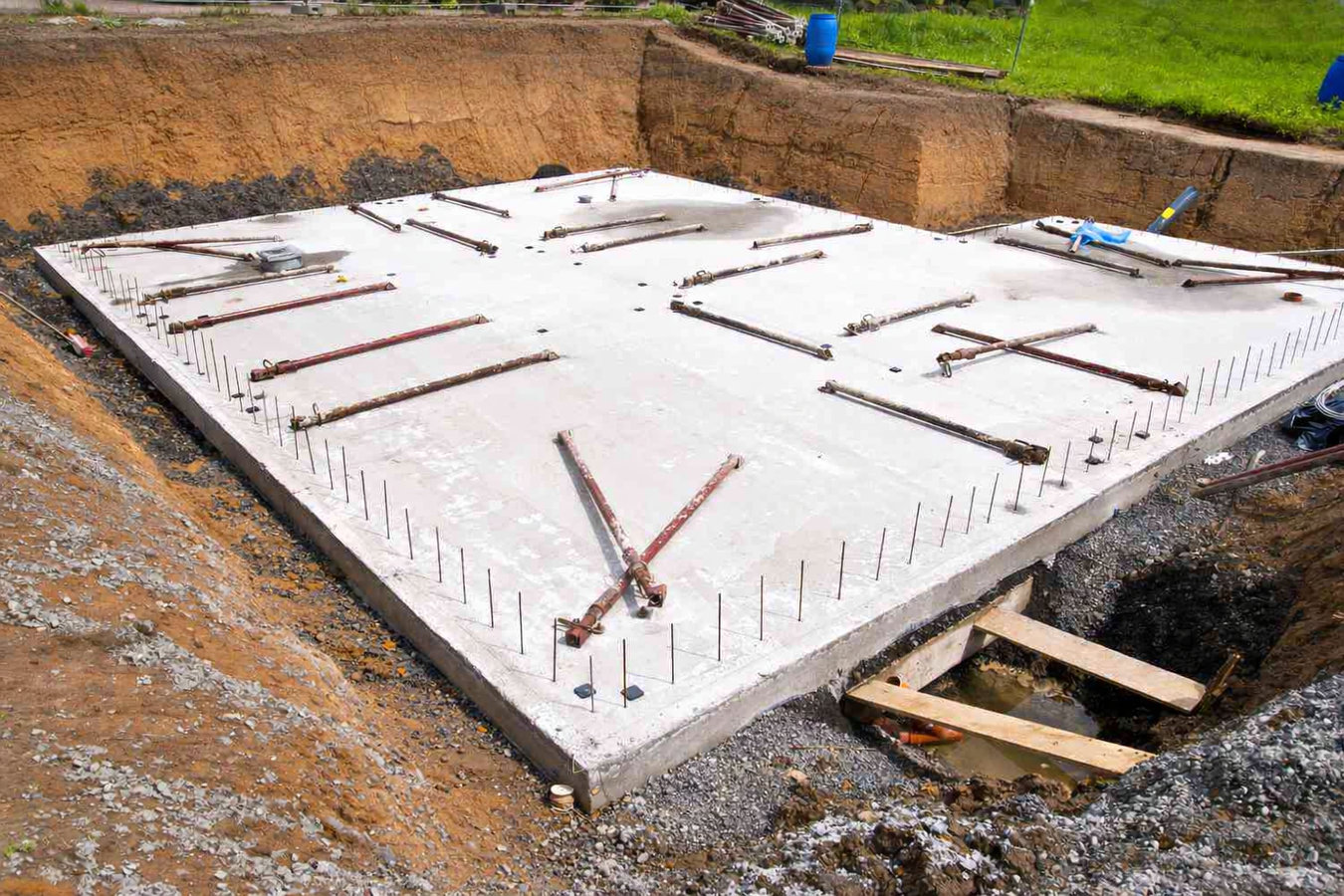
A new addition, porch, or garage is only as stable as what is underneath it. We pour concrete footings in Harlingen that are designed for local clay soil - deeper, reinforced, and city-inspected before a single frame goes up.
Concrete footings in Harlingen are the buried base that holds up any structure above them - an addition, a porch, a detached garage, or a covered carport - most residential footing projects take one to three days of active work from digging to pour, with a city inspection required before concrete is placed, and a week of curing time before framing begins.
Most homeowners call us because they are planning a new structure and want to know what is involved in the foundation work, or because a porch or addition is already showing cracks and shifting that point to a footing problem below. Concrete footings in Harlingen must be designed for the local clay soil - which moves with every rainy and dry season - or the structure above them will crack, lean, or separate from the main house within just a few years. If your project also requires a full slab for the addition floor, we handle that work through our foundation installation service.
The American Concrete Institute recommends steel reinforcement inside footings in regions with expansive clay soils - a standard we apply on every Harlingen project because the alternative is a footing that looks solid but lacks the internal strength to resist seasonal soil movement.
Horizontal cracks near the bottom of a wall, or diagonal cracks spreading from the corners of a doorframe or window, often point to a footing that is moving or settling. In Harlingen's clay soil, this kind of cracking frequently appears after a long dry spell followed by heavy rain - the ground has swelled and contracted repeatedly and the footing has moved with it. It does not always mean disaster, but it should be assessed before conditions worsen.
If a porch column, room addition, or fence post is visibly tilting - even slightly - or if you can see a gap opening between an attached structure and the main house, the footing underneath may have shifted. This is especially common in older Harlingen homes where additions were built with shallower footings than current standards require. A leaning structure will not self-correct and tends to accelerate.
When a footing moves, the frame of the structure above it moves too. That shows up as doors that drag on the floor or windows that no longer sit square in their frames. If this happens after unusual weather - a long drought or a heavy storm - it is worth having a contractor check whether the footings are involved before the problem gets worse.
Any new structure attached to or near your home needs its own properly designed footings before a single wall goes up. In Harlingen, skipping this or undersizing the footings is the most common reason additions crack and separate from the main house within a few years. If you are in the planning stage, now is the right time to ask about footings - not after framing has already started.
We install concrete footings for all types of residential and small commercial structural projects in Harlingen - room additions, covered patios, detached garages, carports, porches, and fence or gate posts that need a proper base. Every project starts with a site walk to assess soil conditions and determine the right footing depth and width for what you are building. We handle the permit application with the City of Harlingen, schedule the required pre-pour inspection, and dig to undisturbed native soil rather than just a fixed depth. For projects that also need a full concrete slab on top of the footings, we coordinate that work through our foundation installation service.
When footings are the first step in a larger project that involves raising or releveling an existing structure, we coordinate with our foundation raising team so the scope flows smoothly from base work through finish. All footings include steel reinforcement appropriate for South Texas soil conditions and a written estimate that breaks out costs before any digging starts.
Continuous concrete footings that run along the perimeter of a new room, porch, or covered patio - the most common type for residential additions in Harlingen.
Individual pad footings placed beneath load-bearing posts, columns, or carport supports - sized and reinforced for the load above and the soil below.
Full perimeter footing systems for detached garages, workshops, and storage buildings - built to current standards for Harlingen's clay-heavy soil.
For Harlingen homes built in the 1950s through 1980s where additions are planned - we assess what is already there before connecting anything new to it.
Harlingen sits on heavy expansive clay soil that swells when it rains and shrinks during dry spells - and the Rio Grande Valley gets both extremes. That constant movement is the main reason footings fail in this region. A footing that works fine in sandy or stable soil can crack and shift here within just a few years if it was not designed with the local soil in mind. We dig to undisturbed native soil on every job - not to a standard depth that ignores what the ground is actually doing - and we use steel reinforcement inside the concrete to resist the lateral pressure that clay soil generates when it swells. The additional cost of doing this right is small compared to the cost of an addition that cracks away from the main house.
Harlingen also sits in a hurricane-prone corridor, and saturated soil after a major rain event temporarily loses its load-bearing strength. Footings set too shallow can shift after intense Gulf-driven storms - which is why depth to stable soil, not a standard rule-of-thumb measurement, determines how deep we go on every project. We do footing work throughout the Rio Grande Valley, including homeowners planning additions in Roma and Laredo, and the same clay-soil conditions that make Harlingen demanding apply across the entire Valley.
We visit your property, assess the soil, and talk through what you are building. You get a written estimate that itemizes excavation, concrete, steel, permit fees, and any site prep separately - before you agree to anything. We respond to all inquiries within one business day.
We file the permit application with the City of Harlingen and schedule the pre-pour inspection with the building department. Harlingen inspectors check the trench and steel reinforcement before concrete is placed. This adds a few days to the timeline but gives you an independent review of the work before it is buried.
The crew digs to undisturbed native soil, compacts the trench bottom, sets forms, and places steel reinforcement. You will need the work area clear of stored items and vehicles before the crew arrives. This step is the foundation of everything above it - we do not rush it.
Once the inspection clears, the concrete truck arrives and the footings are poured and finished. Plan to keep the area clear for at least seven days before any framing or loading begins. In Harlingen's summer heat, the contractor may wet or cover the concrete to slow surface drying and ensure uniform curing throughout.
No commitment required. We will walk your site, explain what your soil conditions require, and give you a clear price in writing.
(956) 506-1911We dig to undisturbed native soil on every job - not to a standard depth that assumes uniform conditions. Harlingen's clay soil profile varies across neighborhoods, and a footing depth that works in one yard may be too shallow in another. We assess conditions on-site and adjust accordingly.
We have poured footings for additions and structures across the Valley from Harlingen to Laredo. That experience means we understand how the local clay soil, hurricane-season rain events, and summer heat combine to stress footings in ways that contractors from outside the region often overlook.
We file the permit, schedule the required pre-pour inspection with the City of Harlingen, and keep you updated throughout. The inspection step means an independent city official reviews the trench and steel before the concrete is placed - protecting you if questions ever come up when you sell or refinance.
Harlingen has a lot of homes built in the 1950s through 1980s with footings that predate current standards. Before we pour anything new that ties into an existing structure, we assess what is already there. The American Society of Concrete Contractors recommends exactly this step for addition projects on older properties - and it is the kind of detail that prevents an addition from cracking away from the main house years down the road.
Footings are the part of your project no one ever sees once the work is done - but they are what determines whether everything above them stays put for 30 years or starts showing problems within five. We build them right from the start.
When an existing slab or structure has settled and needs to be raised back to level - a natural follow-on to footing repair in Harlingen's clay-soil conditions.
Learn moreFull slab and foundation systems for new structures that need more than footings alone - coordinated with the footing work in a single project scope.
Learn moreStorm season in Harlingen is harder on footings than most homeowners realize - call today and we will walk your site before the ground gets unpredictable.