Concrete Patios
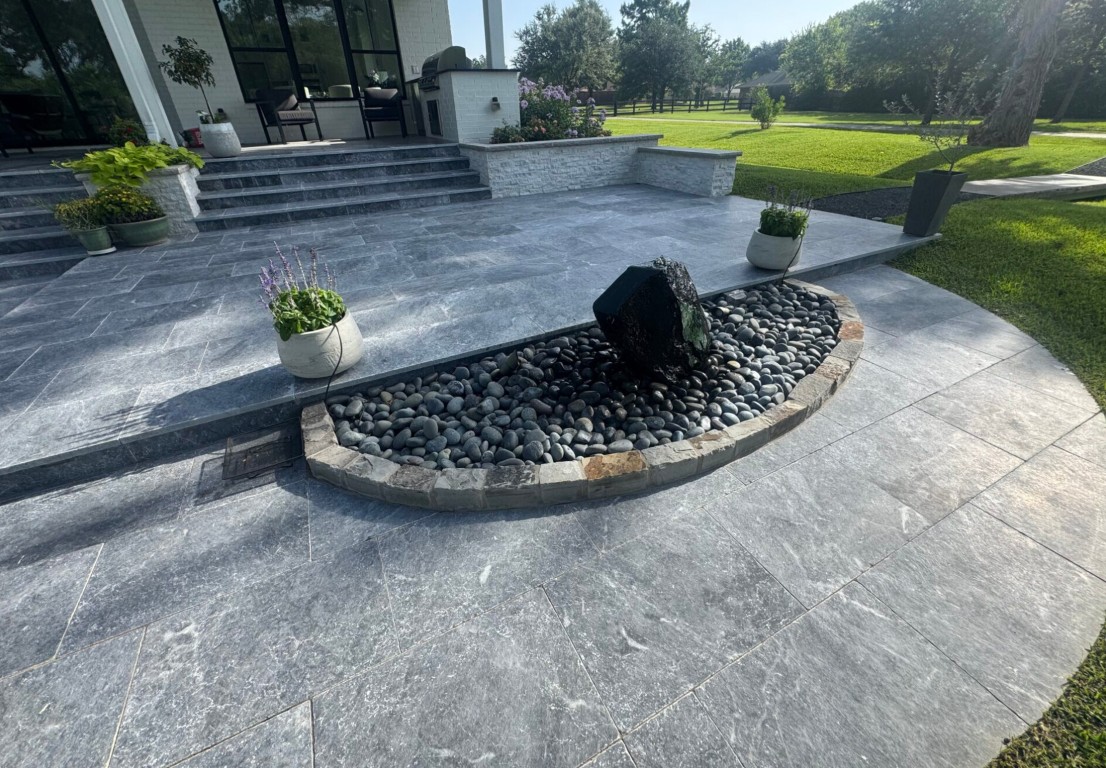
Your backyard should be a place you actually want to spend time in. A well-built concrete patio gives you a clean, low-maintenance surface that holds up through years of Texas weather and daily use.
Why Concrete Is the Smart Choice for Your Patio
Wood decks rot, warp, and need constant upkeep. Pavers shift, grow weeds between the joints, and cost significantly more to install. Concrete gives you a solid, level surface that you can customize with finishes, colors, and textures, and it will not require much from you other than an occasional rinse-off with the hose.
In the Rio Grande Valley, outdoor living space matters. The weather is warm most of the year, and having a good patio means you can actually use that space for grilling, entertaining, kids playing, or just relaxing in the evenings. A concrete patio is one of the most practical and cost-effective improvements you can make to your home.
At Harlingen Concrete Contractor, we build patios for all kinds of homes in Harlingen and the surrounding area. Whether you have a small urban backyard or a large open space with room to work with, we can design a patio layout that fits your property and your lifestyle.
Patio Styles and Finish Options You Can Choose From
One of the best things about concrete is how flexible it is. You are not locked into one look. Here are the finish options we offer for residential patios.
- Broom finish — The most common option. A simple brushed texture gives the surface grip so it is safer when wet. Clean, classic, affordable.
- Exposed aggregate — The top layer of the slab is lightly washed to reveal the small stones inside the mix. This gives the surface a natural, textured look with good traction.
- Stamped concrete — Patterns pressed into the wet concrete mimic the look of stone, brick, tile, or wood. A great option if you want a more decorative look. See our dedicated stamped and decorative concrete page for details.
- Colored concrete — Integral pigment mixed into the concrete or a surface-applied stain gives you a wide range of color choices to match your home and landscaping.
- Salt finish — Rock salt is pressed into the fresh surface and then washed away, leaving a subtle pitted texture that adds slip resistance and visual interest without a busy pattern.
Not sure which finish is right for your home? When we come out to measure your space, we can show you photos of completed projects and help you choose something that fits your taste and your budget.
How We Build Your Patio From the Ground Up
A patio that looks great on pour day but buckles or cracks within a year is not a patio well built. The quality of the finished surface comes down to what happens before the truck shows up. Here is how we approach every patio project.
Site preparation
We start by marking out the patio area, removing grass and organic material, and excavating to the correct depth. In most cases, that is about 4 to 6 inches below finished grade. Any soft or unstable soil is addressed at this stage, not after the pour.
Base and forms
We compact a gravel sub-base to provide a stable foundation and promote drainage underneath the slab. We then set up wood forms to define the shape and edges of your patio. Any curved or irregular shapes are formed before the pour as well.
Reinforcement and pour
Rebar or wire mesh is placed within the form to reinforce the slab. We then pour and spread the concrete, screed it to a flat, even surface, and apply your chosen finish. For stamped or colored work, the decorative steps happen right after the pour while the concrete is still workable.
Curing and cleanup
We protect the slab during the curing period and clean up the work area when the project is done. We will walk you through care instructions so your patio stays in great shape for years to come.
We also handle concrete patio extensions if you already have an existing slab and want to make it bigger. Ask us about matching the finish of your existing concrete when you call.
Common Questions About Concrete Patios
How thick should a concrete patio be?+
For most residential patios, we pour at 4 inches thick. This is the standard depth for foot traffic and light outdoor furniture. If you plan to park any vehicles on the patio area, drive a golf cart onto it, or use it for anything heavier, we would recommend going to 5 or 6 inches. Thicker slabs handle more load and are less likely to crack under stress. We will recommend the right thickness based on how you plan to use the space when we come out for your estimate.
How long before I can use my new patio?+
You can walk on the patio after about 24 to 48 hours in most cases. However, we recommend waiting at least 7 days before placing heavy furniture or heavy planters on the surface, and at least 28 days before any vehicle use. The 28-day period is when concrete reaches its rated design strength. Rushing this step is one of the most common reasons patios develop surface damage early. We always walk you through the timeline when we finish the job.
Can you pour a patio next to an existing structure like my home or a fence?+
Yes, we pour patios adjacent to homes, garages, fences, and other structures all the time. When a patio connects to your home, we install an isolation joint between the slab and the foundation wall. This allows the two to expand and contract independently without cracking each other. It also prevents water from getting trapped between the two surfaces. Proper isolation joints are a detail that separates a well-built patio from one that will give you problems later.
Head back to our home page for a full overview of our services, or check out our concrete driveway installation service.