Concrete Slab & Foundation Work
Everything built on top of your property starts with what is below it. We pour strong, properly prepared concrete slabs and foundations that give your structure a solid base from day one.
The Foundation Determines Everything That Comes After
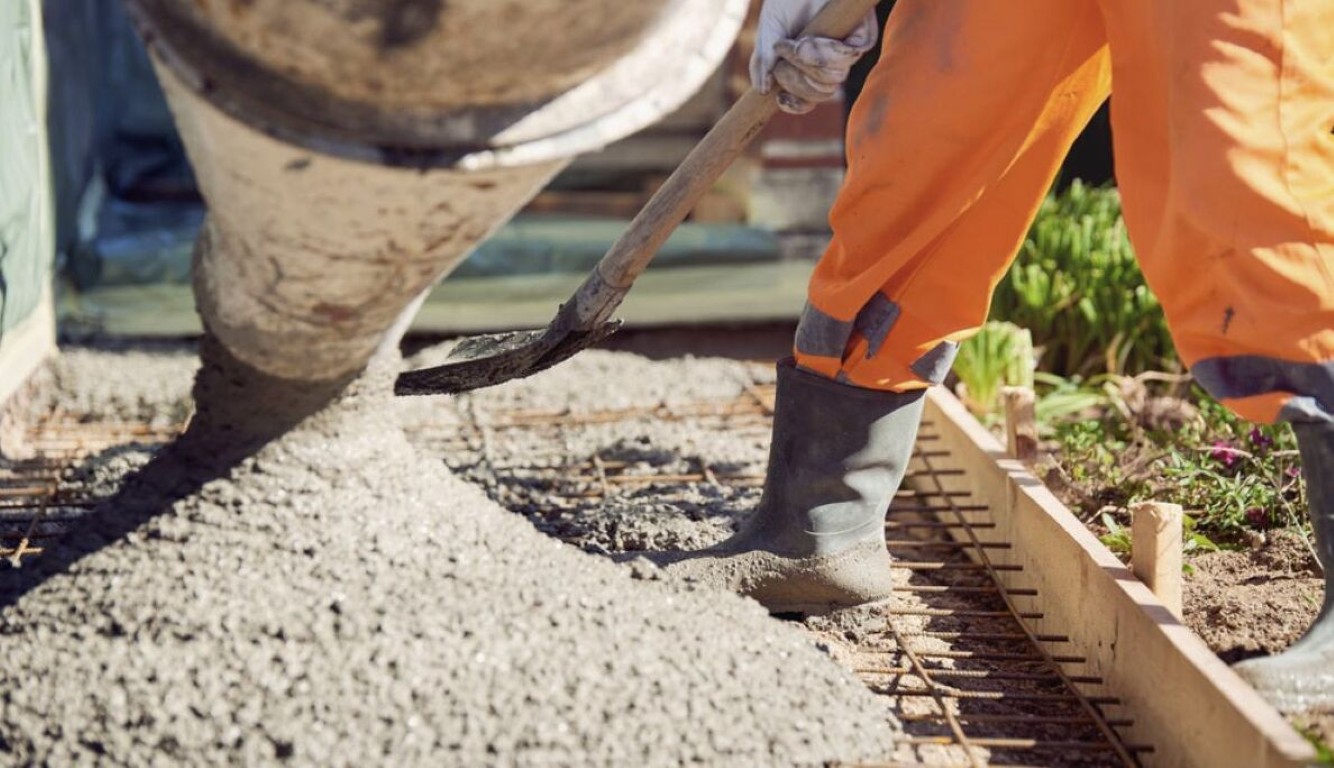
Whether you are building a storage shed, a garage, a workshop, an addition to your home, or a new structure on your commercial property, the slab or foundation underneath it all is the most important part of the project. Get it wrong and every problem will trace back to that first pour. Get it right and the structure built on top of it will stand for decades.
Slab and foundation work requires more planning and precision than most concrete projects. The soil has to be properly evaluated and prepared. The depth and thickness of the slab has to match what will be placed on it. The reinforcement has to be sized and positioned correctly. And the concrete itself has to be mixed and poured to spec.
At Harlingen Concrete Contractor, our team has experience with residential slab pours of all sizes. We follow proper construction practices on every job, from the initial site evaluation through to the final grade and finish. If your project requires a building permit, we can help you understand what inspections will be required and pour to code.
Types of Slab and Foundation Work We Do
Not all slab work is the same. Here is a breakdown of the types of projects we handle and what each one involves.
- Shed and outbuilding slabs — A simple, flat slab for a prefab shed, workshop, or utility building. Usually 4 inches thick with a broom finish and control joints.
- Garage slabs — Poured for attached or detached garages. Typically 4 to 6 inches thick with a reinforced grid and a slightly sloped finish toward the garage door for drainage.
- Home addition foundations — Poured as part of a room addition or enclosed porch. These slabs often need to match the height of the existing floor and may require a thickened edge for structural load.
- Monolithic slab foundations — A slab and footing poured as a single unit. Common for smaller structures where a separate footing and floor slab is not required by code.
- Equipment pads — Smaller slabs poured under HVAC units, generators, pool equipment, and other heavy machinery that needs a stable, level base.
- Commercial floor slabs — Thicker, heavily reinforced slabs for warehouses, retail spaces, and commercial buildings that will see heavy foot traffic or equipment loads.
If your project falls outside these categories, give us a call and describe what you are working on. Chances are we have done something similar and can help you figure out the right approach.
What Separates a Solid Slab From a Problem Slab
Most slab failures are avoidable. They happen because someone cut corners early in the process. Here is what we do differently.
Proper subgrade preparation
We remove organic material, roots, and unstable soil before we ever set a form. In our South Texas clay-heavy soils, this step is especially important. Expansive clay soil shrinks in dry weather and swells when wet. If it is not addressed properly, your slab will shift and crack over time. We compact the subgrade to create a stable, consistent base and add a gravel layer where needed.
Correct reinforcement sizing
Not all slabs need the same reinforcement. A shed pad has different load requirements than a garage slab or a commercial floor. We size the rebar or wire mesh based on what the slab will carry, and we position it correctly within the slab depth, not resting on the ground where it cannot do its job.
Right mix design for the load
Different applications call for different concrete mixes. A residential shed pad does not need the same PSI rating as a commercial floor carrying heavy equipment. We specify the right mix for the job so you are not overpaying for strength you do not need or underpaying for strength you do.
Proper drainage slope
Standing water on a slab is a problem for the structure above it. We grade every slab with the correct slope so water moves away from the building and drains off the surface rather than pooling. This is a detail that gets overlooked more often than it should.
When we are done, you get a slab that is flat, level within spec, properly cured, and ready for whatever goes on top of it. We can also coordinate the pour with your builder, contractor, or project manager so everyone is working from the same schedule.
Common Questions About Concrete Slabs and Foundations
Do I need a permit for a concrete slab in Harlingen, TX?+
It depends on the size and use of the slab. In Harlingen, TX, most small accessory structures under a certain square footage do not require a permit, but once you cross certain thresholds or if the slab is for a living space or attached structure, a permit is typically required. We always recommend checking with the City of Harlingen Building Department before starting any new slab project. If your project requires a permit, we can pour to the specifications in your approved plans.
How long does it take to pour a slab foundation?+
The prep work typically takes one to two days depending on the size and condition of the site. The actual concrete pour is usually completed in a single day. After the pour, the slab needs to cure for at least 7 days before any light loads are placed on it, and 28 days before heavy loads like vehicle access or structural framing. We will give you a clear timeline for your specific project when we quote it.
What PSI concrete should be used for a residential slab?+
For most residential applications, a 3,000 PSI mix is standard and adequate. For garage slabs with heavy vehicle loads, a 4,000 PSI mix is often recommended. Commercial and industrial applications may require 4,000 PSI or higher. PSI refers to how much compressive load the concrete can handle per square inch once it has fully cured at 28 days. We will specify the right mix for your project as part of your written quote.
Return to our home page for a full overview, or learn about our concrete driveway installation and concrete patio services.