Concrete Pool Decks
A well-built concrete pool deck keeps your backyard safe, comfortable, and looking great through years of South Texas sun and heavy use.
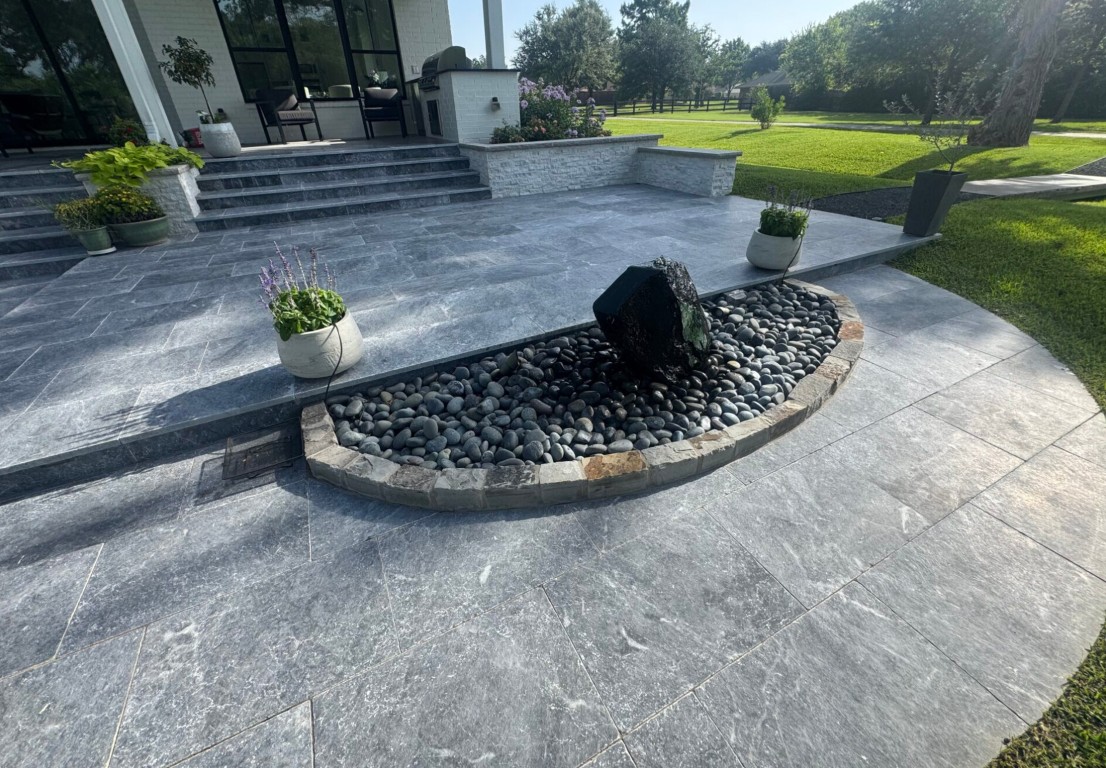
Your Pool Deserves a Deck That Works as Hard as You Do
A pool deck takes a lot of abuse. It sees foot traffic all summer, constant moisture from splashing water, intense UV exposure, and in Harlingen, TX, high temperatures that can cause surfaces to expand and contract significantly throughout the year. Not every material holds up to all of that — but concrete, done right, does.
At Harlingen Concrete Contractor, we build pool decks that are designed for that environment from the start. That means using the right mix for durability, finishing with a surface that is slip-resistant even when wet, grading the slab so water flows away from the pool edge and your home, and giving you a finish that looks good season after season.
Whether you are putting in a brand new pool deck, replacing an old one that has cracked and worn out, or adding onto an existing surface to expand your outdoor space, we handle the whole project from forming to finish.
Why Pool Decks Need Special Attention
A pool deck is not just a standard slab. Several things make it more demanding to build correctly:
- Slip resistance: The surface must grip wet feet. Smooth finishes are a safety hazard poolside. We use broom finishes, exposed aggregate, or textured stamped patterns that provide real traction.
- Drainage slope: Water needs to drain away from the pool coping and away from your home's foundation. Proper grading prevents pooling, mold growth, and structural damage over time.
- Expansion joints: Pool decks experience significant temperature movement in South Texas summers. Control and expansion joints are placed strategically to prevent cracking as the slab moves.
- Heat absorption: Dark, dense surfaces get extremely hot under Texas summer sun. Lighter finishes and certain coatings keep the deck cooler on bare feet.
- Pool bond beam clearance: The concrete needs to sit properly next to the pool shell without creating pressure that cracks the coping or shell over time. We account for this during forming.
Getting all of these details right is the difference between a pool deck that looks and works great for 20 years and one that starts cracking and draining poorly within a few years of installation.
Finish Options for Your Pool Deck
Your pool deck does not have to look like a plain slab. There are several finish options that add visual appeal without sacrificing durability or safety.
A broom finish is the most common choice. It is clean, practical, and provides excellent traction. Exposed aggregate adds a natural stone look with a textured surface that grips well. Stamped concrete lets you replicate the look of flagstone, slate, or tile — giving your pool area a custom, high-end appearance for less than the cost of real stone installation. You can also add integral color to the mix for a consistent tone throughout the slab, or apply a topical stain after the pour for a more variegated, natural look.
For decks that already exist and just need refreshing, resurfacing is an option. We can apply a new concrete overlay with the finish of your choice, which bonds to the existing slab and gives you a like-new surface without full demolition. This pairs well with our stamped and decorative concrete services if you want to elevate the design at the same time.
We will talk through all the options during your free estimate and help you choose what makes the most sense for your space, your climate, and your budget.
Common Questions About Concrete Pool Decks
How thick should a concrete pool deck be?+
For a residential pool deck, four inches is the standard minimum thickness, and that is typically what we pour for pedestrian use. If the deck needs to handle vehicle access or heavier loads, we go thicker and add more reinforcement. The thickness also depends on the condition of the subgrade — if the soil is soft or unstable, additional base material and thickness compensate for that. We will evaluate your specific site conditions during the estimate and recommend the appropriate specification.
How do I keep my pool deck from getting too hot in summer?+
The finish and color both play a role. Darker surfaces absorb more heat, so lighter finishes stay cooler underfoot. Exposed aggregate with lighter stone is a popular choice for this reason. Certain decorative overlays and coatings are also formulated to reduce heat absorption. Beyond the surface itself, the time of day matters — any concrete pool deck in Harlingen will be hot at 2 PM in August. Shade structures, misting fans, and outdoor rugs are practical ways to manage that. We can also discuss coating options that reflect more light and reduce surface temperature during your project planning.
Can you pour a pool deck right up to the pool coping?+
Yes, and this is one of the most important parts of the job to get right. The concrete deck should not be bonded tightly to the pool coping. Instead, a foam backer rod and flexible sealant are used at that joint to allow for independent movement between the deck and the pool shell. If the deck is poured hard against the coping without that joint, the slab can push against the pool as it expands in the heat, which leads to cracking, coping damage, and eventually leaks. We always detail this joint properly so it keeps looking and performing well long after the pour.
Head back to our Harlingen concrete contractor home page to learn about everything we offer, or read about our concrete patio installation services if you want to connect your pool deck to a larger outdoor living area.